
Interactive Van Gogh Immersive Experience: How Living Canvas Lets the Audience Join In
4 min read
How Living Canvas: Van Gogh turns the paintings into an interactive immersive experience, and what it offers audiences and venues.
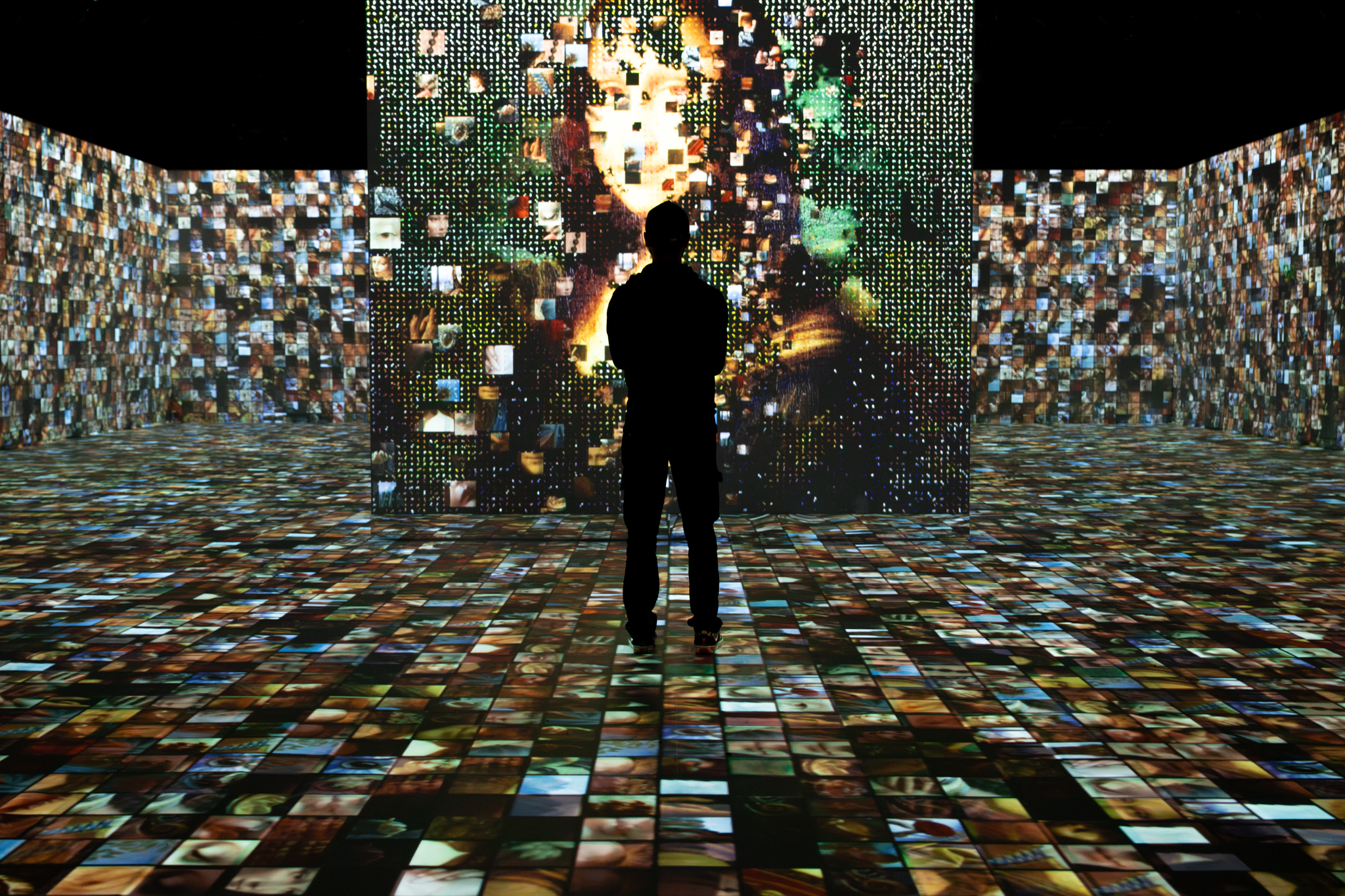
Living Canvas: Van Gogh, a Phoenix Immersive production, is an interactive immersive experience in which the paintings surround you and then respond. Visitors shape the scenes with natural movements and gestures: sending painterly ripples across water, moving through falling flowers, connecting glowing stars and rebuilding a fragmented Van Gogh masterpiece. It is now open in Riga, with international partner and venue enquiries open.
Van Gogh is a popular subject for immersive shows. This article explains what makes an interactive version like Living Canvas: Van Gogh different, and what it offers audiences and venues.
What is Living Canvas: Van Gogh?
Living Canvas: Van Gogh is a painterly, participatory immersive show from Phoenix Immersive, a producer and licensor of interactive immersive experiences. Phoenix Immersive's description points to colour, turbulence and the letters behind Van Gogh's work, shaped by the audience.
According to Phoenix Immersive, it takes audiences from expressive portraits and vivid sunflower fields to Café Terrace at Night, Almond Blossom and the swirling skies of The Starry Night. Rather than presenting them as a passive film, it lets visitors become part of the canvas.
Why does Van Gogh suit an interactive format?
Few painters put so much movement into a still image. Van Gogh created about 2,100 artworks in just over a decade, including around 860 oil paintings, and his work is full of swirling skies, blossoming branches and shifting light. *The Starry Night* was painted in June 1889 at Saint-Rémy-de-Provence and has been in the collection of the Museum of Modern Art in New York since 1941. Café Terrace at Night was painted in Arles in September 1888 and is now at the Kröller-Müller Museum in Otterlo.
His own words add another layer. Wikipedia notes that more than 600 letters from Vincent to his brother Theo survive. Phoenix Immersive's description of the show refers to the letters behind Van Gogh's work as part of what it draws on.
What can visitors actually do?
The interactions are described as intuitive and gesture-based. According to the Phoenix Immersive website, visitors can:
- Send painterly ripples across water.
- Move through falling flowers and watch birds react as they approach.
- Connect glowing stars to reveal new forms, and add their name to a shared night sky.
- Work together to rebuild a fragmented Van Gogh masterpiece.
- See their photograph transformed into a Van Gogh-inspired portrait, displayed within the experience and available to download via QR code.
Several of these are designed to be done together. Phoenix Immersive describes visitors collaborating with each other to reassemble a masterpiece, and adding their names to a shared night sky.
How is it different from other immersive Van Gogh shows?
A projected walk-through is one way to present Van Gogh. Responding to the audience is another.
In Living Canvas, the projected world responds to your presence and movement, in Phoenix Immersive's words. That is the main difference, and the reason the show is described as interactive rather than simply immersive. Of its shows in general, Phoenix says the work shifts with what you do, so every visit is different.
Our article on the difference between interactive and immersive experiences explains why interaction needs a creative purpose.
Who is it for?
Phoenix Immersive describes each interaction as intuitive, playful and artistically integrated, allowing visitors to influence the world around them, and says the gesture-based interactions make the experience accessible to families, cultural explorers and lifelong art lovers alike.
For current opening details in Riga, check the venue's own channels before planning a visit.
What does it offer venues and operators?
Living Canvas: Van Gogh is available for international licensing in flexible, scalable formats. Phoenix Immersive offers its shows in three sizes of approximately 90, 180 and 400 square metres, known as Compact, Medium and Flagship, with technical integration, commissioning, training and quality assurance provided for each deployment.
The show can run on its own as a dedicated residency, or alongside Da Vinci Genius. Because both productions share the same core technical platform, an operator can programme them at different times of day or on different days of the week, or run them one after the other without changing the core installation. Phoenix Immersive's licensing page gives one illustrative sequence: launching with one title for three months before introducing the second for the rest of the run. Our guide to programming an immersive venue sets out how those models work.
To see the show in more detail, visit the Living Canvas: Van Gogh page. If you are considering it for a venue or market, get in touch with the team.
Frequently asked questions
What is Living Canvas: Van Gogh?
Living Canvas: Van Gogh is an interactive immersive experience produced by Phoenix Immersive. Visitors use natural movements and gestures to shape scenes drawn from Van Gogh's paintings, including Café Terrace at Night, Almond Blossom and The Starry Night.
Is the Van Gogh immersive experience interactive?
Yes. According to Phoenix Immersive, visitors can send painterly ripples across water, move through falling flowers, watch birds react as they approach, connect glowing stars, add their name to a shared night sky and work together to rebuild a fragmented Van Gogh masterpiece. Their photograph can also be transformed into a Van Gogh-inspired portrait, available to download via QR code.
Where is Living Canvas: Van Gogh open?
According to Phoenix Immersive, Living Canvas: Van Gogh is now open in Riga, and international partner and venue enquiries are open.
Can a venue license Living Canvas: Van Gogh?
Yes. It is available for international licensing in flexible, scalable formats of approximately 90, 180 and 400 square metres, and can run alone or alongside Da Vinci Genius.
Who is the experience for?
Phoenix Immersive describes the gesture-based interactions as intuitive and accessible to families, cultural explorers and lifelong art lovers.
Interested in licensing or hosting a Phoenix Immersive experience? Get in touch.