
Turnkey Immersive Experiences: What "Ready to Launch" Should Actually Include
5 min read
A turnkey immersive experience is a finished, ready-made show that an operator licenses and opens in their own venue, instead of commissioning and building one from scratch. The creative work is already done.
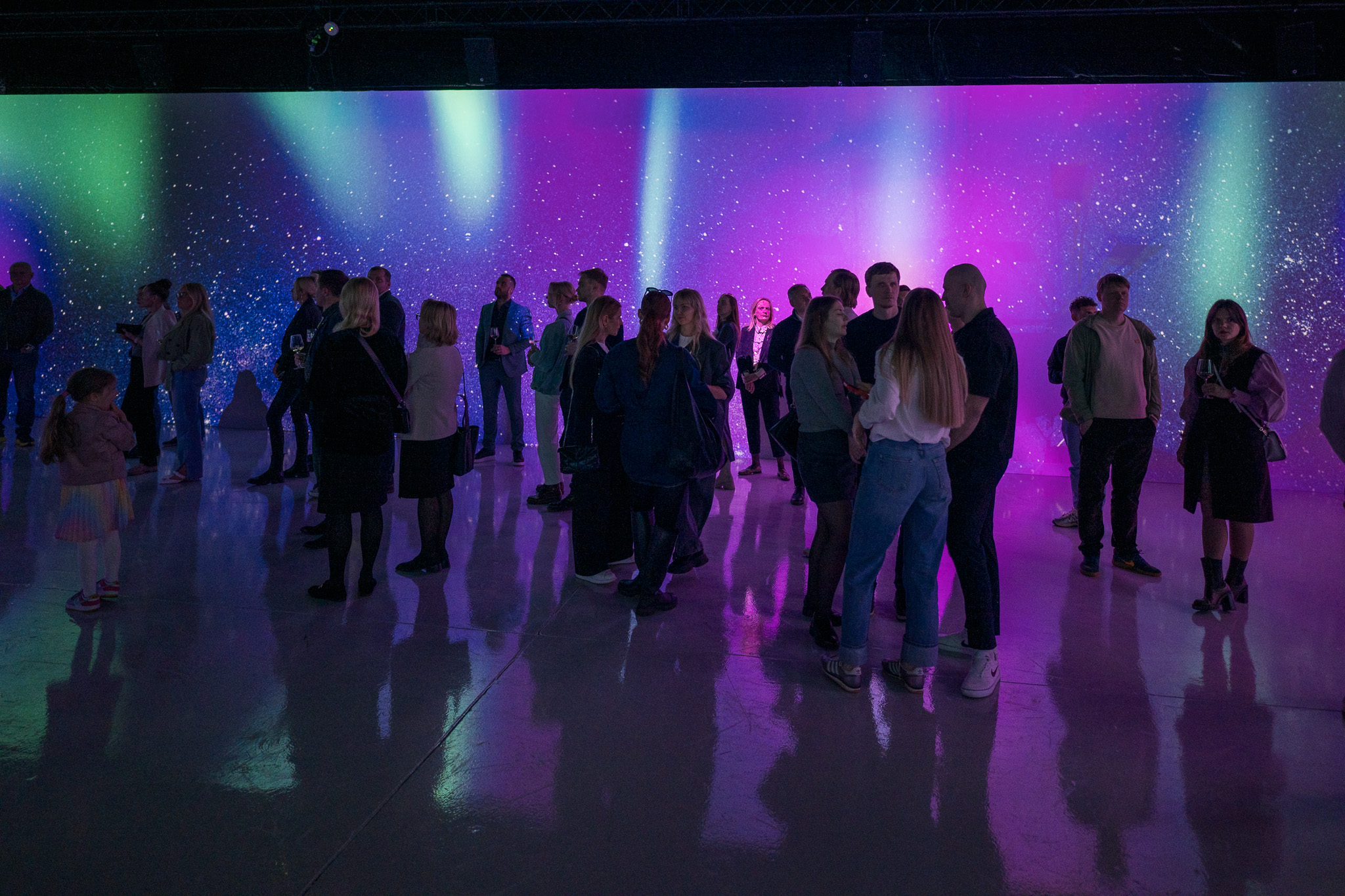
A turnkey immersive experience is a finished, ready-made show that an operator licenses and opens in their own venue, instead of commissioning and building one from scratch. The creative work is already done. What the operator receives is the content, the technical specification and the support needed to get it running.
That is the tidy definition. In practice, "turnkey" is one of those words that means slightly different things depending on who is selling. For a venue operator weighing up a licence, the useful question is not whether a show is turnkey. It is exactly what arrives in the box, and what is left for you to do.
What does turnkey mean in immersive entertainment?
In most industries, turnkey means you can take delivery and start using the product straight away. Immersive entertainment is messier, because a show is a combination of creative content, hardware, software, sound and a physical room. Nothing is truly plug and play.
A more honest description is a licensed production: a complete show that already exists, has already run in at least one venue, and comes with the technical and creative materials needed to install it somewhere new. The operator still has a building to prepare and a business to run. What they do not have to do is commission an artistic team, develop the content or find out whether the concept works.
Read next: [Immersive Experience Licensing: A Guide for Venue Operators](https://phoeniximmersive.com/news/how-to-license-an-immersive-experience)
What should a turnkey immersive experience include?
Every licensor packages things differently, but a credible turnkey offer should cover the following, and a good licence will say so in writing.
- The show itself. The finished content, the software and playback systems it runs on, and the sound design and score.
- A technical specification. Clear requirements for projection, audio, control, power, data and cooling, so your own team or contractor can price and plan the installation.
- Technical integration and commissioning. Support to fit the show to your particular room and to get it working properly before the public arrives.
- Training. Your technical and front-of-house staff should know how to run the show, reset it and deal with faults.
- Quality assurance. A check that the installation matches the standard of the original production.
- Brand and marketing assets. Approved imagery, video, logos and copy, with guidance on how the show is described in your market.
- Ongoing support. A named contact and a clear route for fixing problems once you are open.
What turnkey does not mean
A licensed show does not remove the operator's role. You will normally still be responsible for the venue and any fit-out, ticketing, local marketing, staffing, day-to-day operations, and the permits, insurance and accessibility requirements of your territory.
Put simply, licensing a finished show removes the creative development. It does not remove the fit-out, and it does not remove the work of building an audience. Operators who understand that early tend to plan better and argue less about it later.
Why are operators choosing ready-made shows?
Speed and risk are the usual reasons. McKinsey's analysis of location-based entertainment notes that smaller, shorter-term formats need much smaller initial investments and can reach the market faster than large permanent attractions. The same piece estimates that a typical smaller-scale immersive experience built in an existing building could take roughly 15 months, including around 90 days of contract negotiation and eight months of construction.
A licensed show does not make fit-out disappear, but it takes creative development off the critical path. It also lets you see the work running elsewhere before you commit, which is worth more than any pitch deck.
Seven questions to ask before you sign
- What exactly is included in the licence, and what is charged separately?
- Which room sizes and configurations has the show already been installed in?
- What does the technical specification require from the building?
- Who handles installation, commissioning and training, and how is that scheduled?
- What support continues after opening?
- What are the creative and brand standards, and what can be adapted locally?
- Where has the show run before, and what happened there?
If a licensor cannot answer these plainly, the show may be less ready than the brochure suggests.
How Phoenix Immersive approaches it
Phoenix Immersive produces and licenses interactive immersive experiences. Its two current shows, Da Vinci Genius and Living Canvas: Van Gogh, are each available as standalone licences in three formats of approximately 90, 180 and 400 square metres, known as Compact, Medium and Flagship. Technical integration, commissioning, training and quality assurance are provided for each deployment.
Da Vinci Genius, a Phoenix Immersive production, has been presented in Amsterdam, Berlin, Tallinn, Riga, Delhi, South Florida and Mumbai, which goes some way towards answering the last question above. Both shows run on the same core technical platform, so an operator can programme them as a rotating portfolio or as sequential residencies without rebuilding the installation. Our guide to programming an immersive venue explains how those options differ.
If you are considering a licence, the licensing options page sets out the formats and models in more detail, and the team is happy to talk through what a deployment would involve in your venue, so do get in touch.
Frequently asked questions
What is a turnkey immersive experience?
A turnkey immersive experience is a complete, ready-made show that an operator licenses and installs in its own venue. It includes the content, a technical specification and launch support, so the operator does not need to commission or build a show from scratch.
What is included in a turnkey immersive licence?
It varies by licensor, but a credible offer should cover the finished show and playback systems, a technical specification, integration and commissioning, staff training, quality assurance, brand and marketing assets, and ongoing support. Always check the licence in writing.
Does turnkey mean the operator has nothing left to do?
No. The operator still prepares the venue and runs the business, including ticketing, local marketing, staffing and compliance. Turnkey means the show and its supporting materials are ready, not that the venue is.
What size of space does a licensed immersive show need?
It depends on the show. Phoenix Immersive offers Da Vinci Genius and Living Canvas: Van Gogh in three formats of approximately 90, 180 and 400 square metres, so the same production can suit smaller venues and large destinations.
Interested in licensing or hosting a Phoenix Immersive experience? Get in touch.