
What Does an Immersive Experience Producer Actually Do?
5 min read
An immersive experience producer is the company or person responsible for taking an immersive show from idea to opening night, and often beyond. That means securing the rights, bringing together the creative team, managing the budget and delivery, and much more.
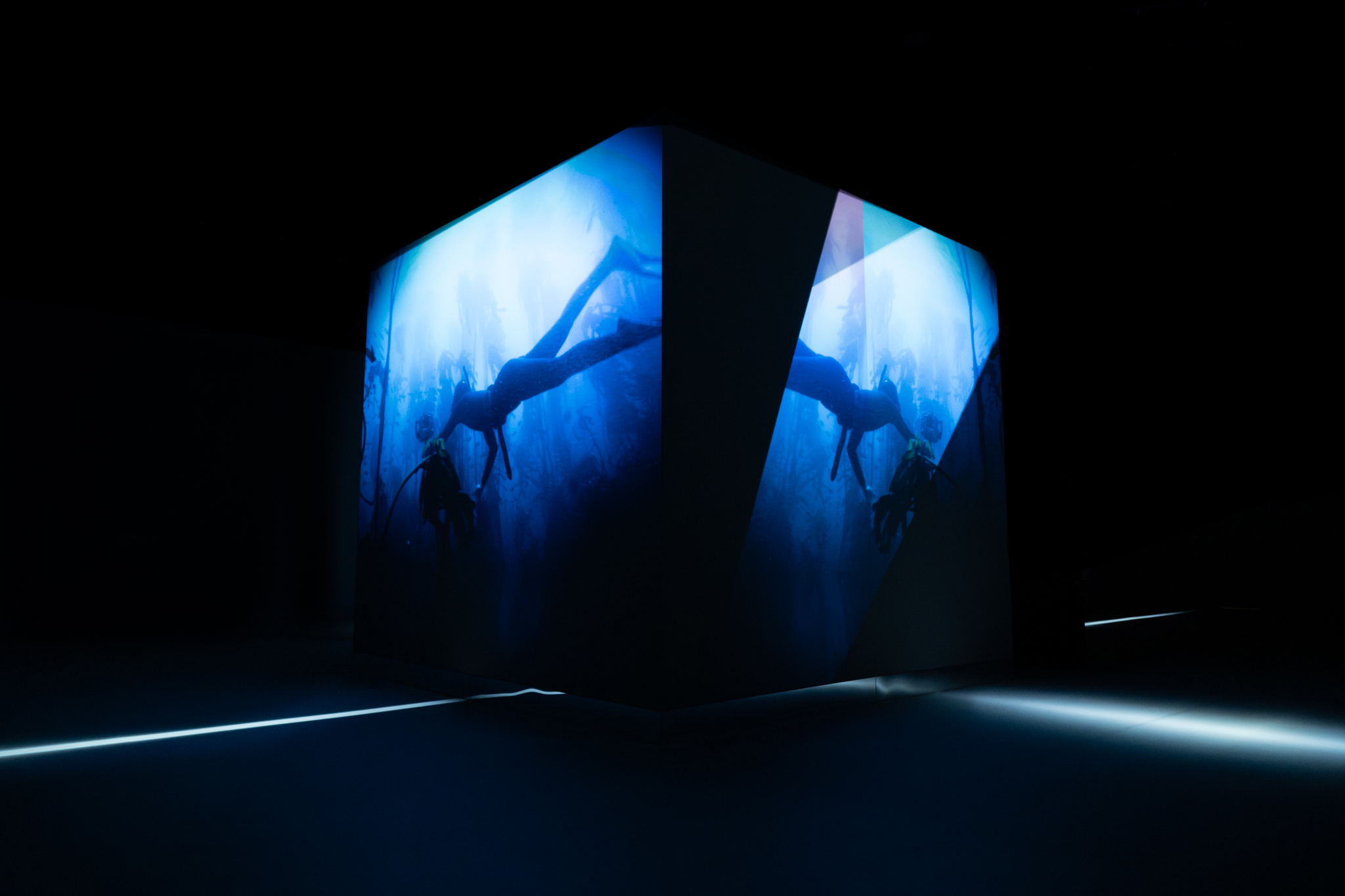
An immersive experience producer is the company or person responsible for taking an immersive show from idea to opening night, and often beyond. That means securing the rights, bringing together the creative team, managing the budget and delivery, and increasingly, finding the venues and operators who will present the work.
The title gets used loosely. Some producers are essentially project managers. Others are closer to publishers, developing a slate of shows and licensing them around the world. Knowing which kind you are dealing with matters, whether you are an IP holder, a venue operator or a creative studio looking for a partner.
What is an immersive entertainment company?
An immersive entertainment company creates, produces or presents experiences in which the audience is placed inside the work rather than in front of it. In practice, the term covers several different businesses that are easy to confuse:
- Creative studios, which design and build the content and the technology.
- Producers, which develop the project, bring the parties together and take responsibility for delivery.
- Operators, which run the venue, sell the tickets and look after visitors.
- Licensors, which make a finished show available to operators in new territories.
Some companies do all four. Many do one or two and rely on partners for the rest. Neither model is wrong, but it helps to know who is accountable for what.
What does a producer actually do?
The Producers Guild of America publishes a code of credits for immersive media. It was written with virtual and cinematic reality in mind, so it is not a description of every immersive exhibition, but its breakdown of the role is a useful reference. It describes the executive producer as the person most completely responsible for the creative, business and financial aspects of a project, including securing financing and, where applicable, the rights or licensing agreements. The producer is described as the person most completely responsible for fulfilling the creative vision on time and on budget.
Translated into the world of immersive exhibitions, a producer is usually doing some or all of the following:
- Developing the concept and choosing the subject, often working with an estate, a museum or a rights holder.
- Agreeing the rights and protecting the integrity of the source material.
- Assembling and managing the creative and technical partners.
- Planning budgets, schedules and delivery.
- Designing the experience so that it can work in more than one room, and more than one country.
- Finding, assessing and supporting the venues and operators who will present it.
The last two are where the commercial skill sits. A show that works beautifully in one building but cannot be adapted anywhere else is a one-off. A show that has been designed to travel can become a business.
Why does the producer matter to IP holders and operators?
For an IP holder, the producer is the guardian of the work. They decide how an artist, a story or a brand is translated into a physical experience, and what stays authentic when it is. For an operator, the producer is the source of the show's technical standards, its support and its reputation.
Read next: [From IP to Experience: A Guide to Immersive Experiences for Rights Holders](https://phoeniximmersive.com/news/guidetoimmersiveforrightsholders)
McKinsey's analysis of location-based entertainment makes a sensible point here: proposals should be carefully evaluated, and potential collaborators thoroughly vetted. It is good advice in both directions. IP holders should look at what a producer has actually delivered. Operators should ask what happens after the contract is signed.
Read next: [Immersive Experience Licensing: A Guide for Venue Operators](https://phoeniximmersive.com/news/how-to-license-an-immersive-experience)
Producer, studio or licensor: which one do you need?
It depends on who you are. An IP holder with a property worth bringing to life usually needs a producer who can protect the source material, find the right creative partners and plan for a life beyond the first venue. A creative studio with a strong idea but little appetite for business development often needs a producer who can handle rights, partnerships and distribution, leaving the studio free to focus on the work.
An operator with a building and an audience usually does not need to build anything. They need a finished show, a clear technical specification and a partner who will still pick up the phone after opening. In that case, the licensor and the producer are best found in the same company, because the people who made the show are the ones who understand how to install it.
The common thread is accountability. A good producer is clear about what they are responsible for, and clear about what they are not.
Questions to ask a producer before you partner
- What have you produced, and where has it been presented?
- Who owns and controls the creative and technical elements?
- How does the show adapt to different venues and territories?
- What support do operators receive before and after opening?
- How do you protect the integrity of the source material?
- What does a typical working relationship look like once the show is open?
How Phoenix Immersive works as a producer
Phoenix Immersive was founded in 2021 and describes itself as a hands-on producer and curator of immersive experiences. Its model has four parts: identifying and developing intellectual property, collaborating with creative partners, producing and licensing worldwide, and supporting delivery and scale.
Its flagship show, Da Vinci Genius, was produced in collaboration with flora&faunavisions and features an original score by GRAMMY-nominated producer Sasha. It won Best Immersive Experience at the Art Directors Club awards in 2022 and the Creative Pool Award for Best Experimental Design the same year. It has been presented in Amsterdam, Berlin, Tallinn, Riga, Delhi, South Florida and Mumbai.
Phoenix also licenses Living Canvas: Van Gogh, which is now open in Riga. Both shows are offered in flexible formats for different venues. If you are an IP holder, studio or operator and would like to talk about working together, you can get in touch with the team, or read how cultural IP becomes an immersive experience.
Frequently asked questions
What does an immersive experience producer do?
An immersive experience producer takes a show from concept to opening and often beyond. They secure the rights, assemble the creative team, manage budget and delivery, and increasingly find and support the venues and operators who will present the work.
What is the difference between an immersive producer and an operator?
A producer develops and delivers the show. An operator runs the venue where it is presented, sells tickets and looks after visitors. Some companies do both, but in licensed models they are often separate businesses working together.
What is an immersive entertainment company?
It is a company that creates, produces, licenses or presents experiences where the audience is placed inside the work. The term covers creative studios, producers, operators and licensors, and some companies combine several of those roles.
Who is Phoenix Immersive?
Phoenix Immersive is a producer and licensor of interactive immersive experiences, founded in 2021. Its shows include Da Vinci Genius and Living Canvas: Van Gogh, and it works with creative studios, IP holders and venue operators.
Interested in licensing or hosting a Phoenix Immersive experience? Get in touch.